
01 / Establish a reliable baseline
Check meter installation, units, CT/PT settings, and reporting coverage before comparing performance. Keep a clear record of the equipment and operating periods represented by each meter. A cumulative meter total is different from consumption during a reporting period.
02 / Find the avoidable demand
Look for equipment drawing power outside working hours, unnecessary idle loads, and changes that do not match production. Compare similar operating periods and use maintenance records to understand the reason for a change.
03 / Prioritize improvements
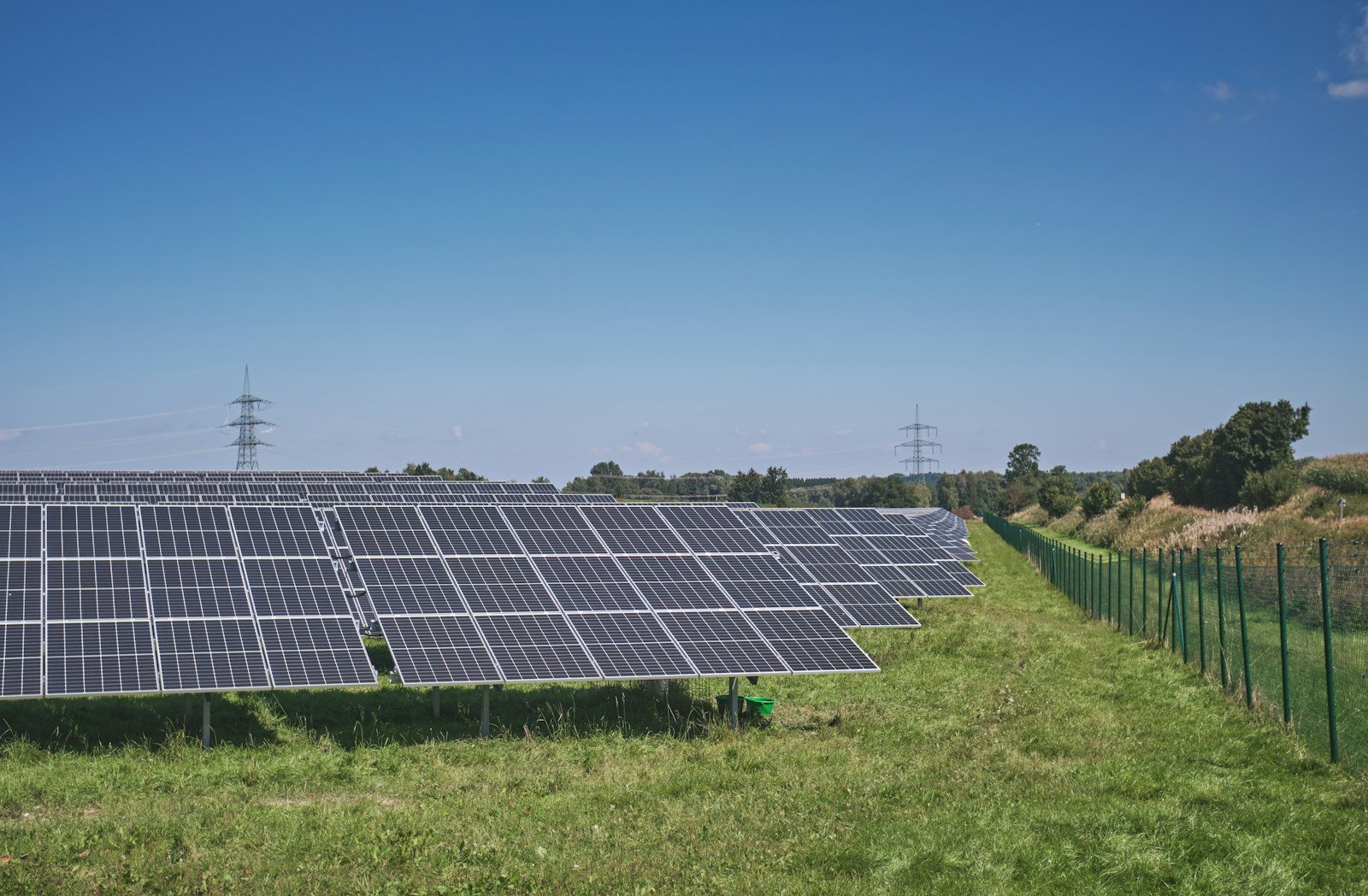
Review operating schedules, equipment maintenance, efficient controls, and suitable renewable electricity options. Select measures that fit the site, then define how their effect will be measured.
04 / Verify the difference
Compare electricity use before and after a change using a consistent reporting boundary. Account for production, weather, operating hours, and other relevant differences before attributing savings to a single action.
Keep carbon claims clear
Electricity emissions estimates depend on the source, the dated emission factor, and the quality of the underlying measurements. Report missing coverage openly. A monitoring dashboard does not, by itself, establish carbon credits, certified reductions, or a net-zero claim.