Draw the measurement boundary
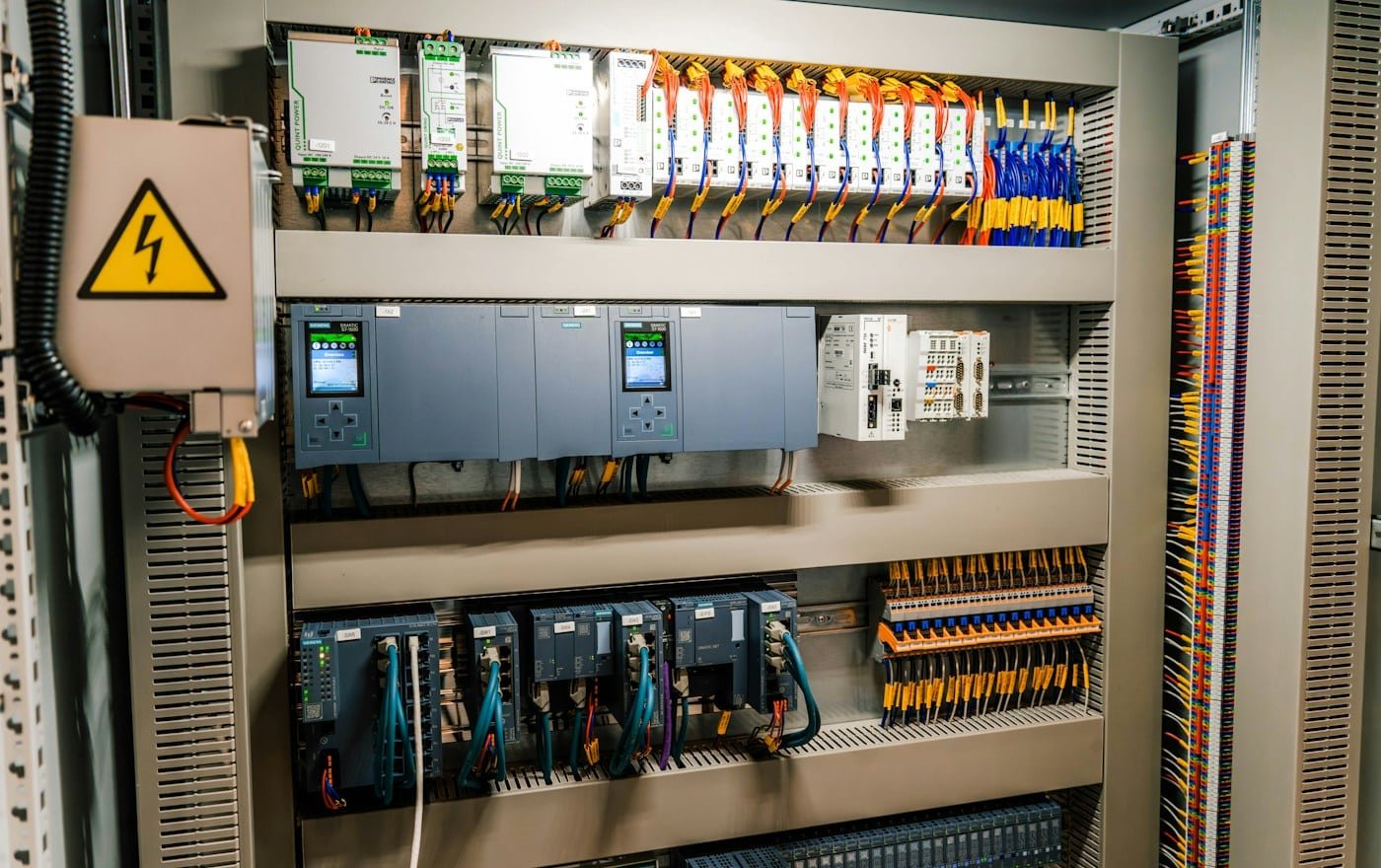
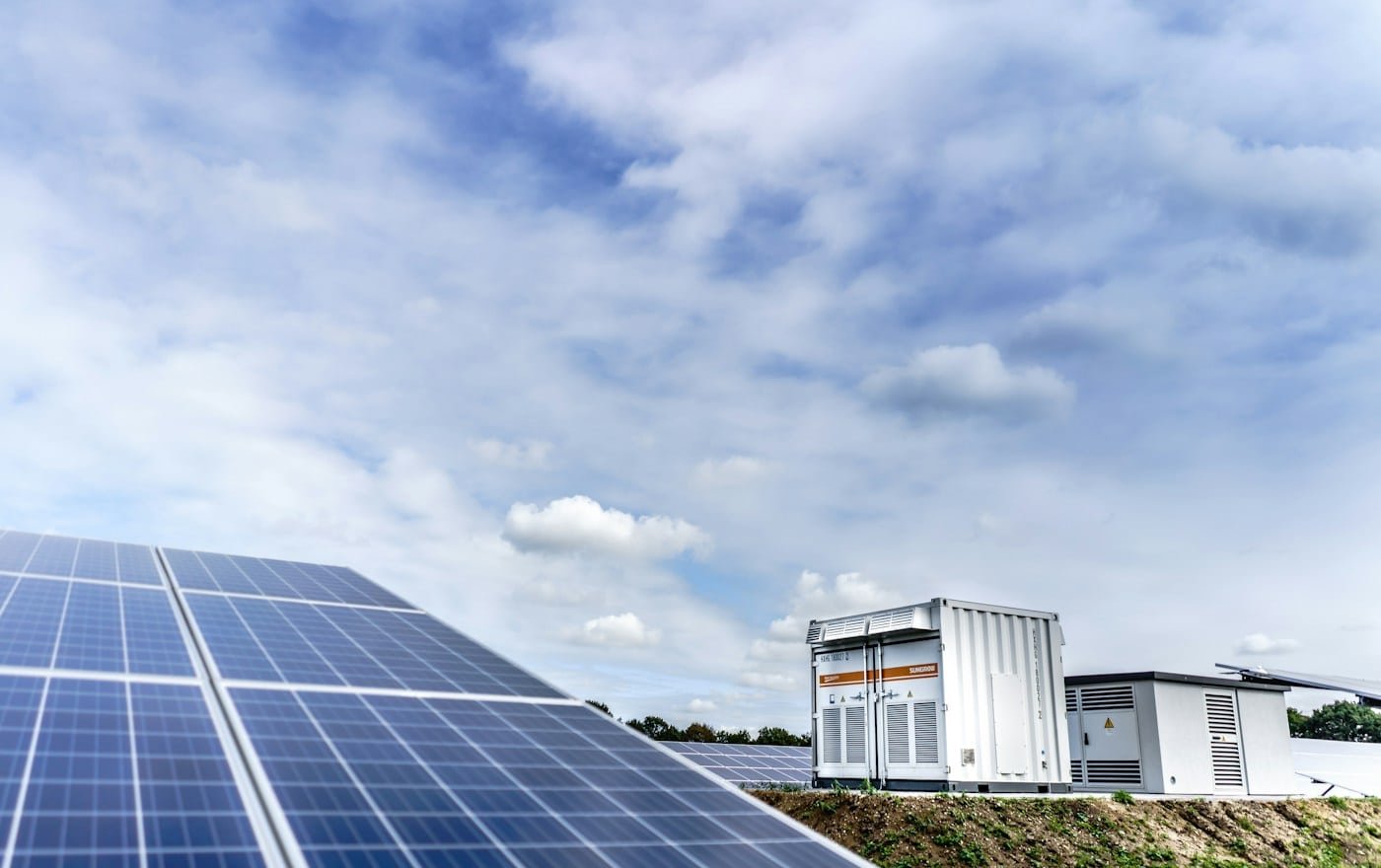
Identify the meters at the battery connection, the site supply and any generation assets. AC-side and DC-side readings describe different boundaries. Keep auxiliaries, conversion losses and shared loads visible in the measurement plan. Do not add battery discharge to incoming electricity without checking whether the same energy has already been counted.
Compare complete operating cycles
Record energy charged and discharged over comparable cycles, including starting and ending state of charge. Dividing discharge by charge across arbitrary calendar periods can produce a misleading efficiency figure when energy remains stored at the boundary. Document the calculation and the operating conditions behind it.
Review availability alongside energy
Low discharge does not automatically indicate a fault: dispatch instructions, reserve requirements or a quiet site may explain it. Pair energy records with maintenance notes, operating permissions and relevant battery-management information. Separate communication downtime from confirmed equipment unavailability.
Build a monitoring plan before making claims
Agree the required integrations with the equipment supplier and validate the units before commissioning. Green Energy OS welcomes discussions about storage-related measurement workflows; battery control and specialist battery diagnostics require separately scoped integrations. Use verified operating records before estimating savings or investment performance.
Plan your next step
Discuss metering, energy monitoring and carbon-reporting data requirements with Green Energy OS and Zhejiang Mingkai Technology Pvt. Ltd.
Contact us