Make time explicit
Store the observation time and use the organization time zone for reporting. Distinguish a reading taken at the meter from the time it reaches the cloud. Replayed records after a connection outage should retain their original meaning rather than appear as a sudden burst of generation.
Validate registers and units
Compare transmitted readings with the equipment display and supplier documentation. Confirm whether energy is cumulative and whether power is reported in watts or kilowatts. A reset, replacement or scaling error must be investigated before it becomes a large apparent production change.
Keep gaps visible
A missing sample does not mean zero generation. Separate communications coverage from measured output, and document any estimation method. Reconcile inverter and meter values only after checking that they describe the same boundary, because auxiliaries and conversion losses can create legitimate differences.
Interpret performance in context
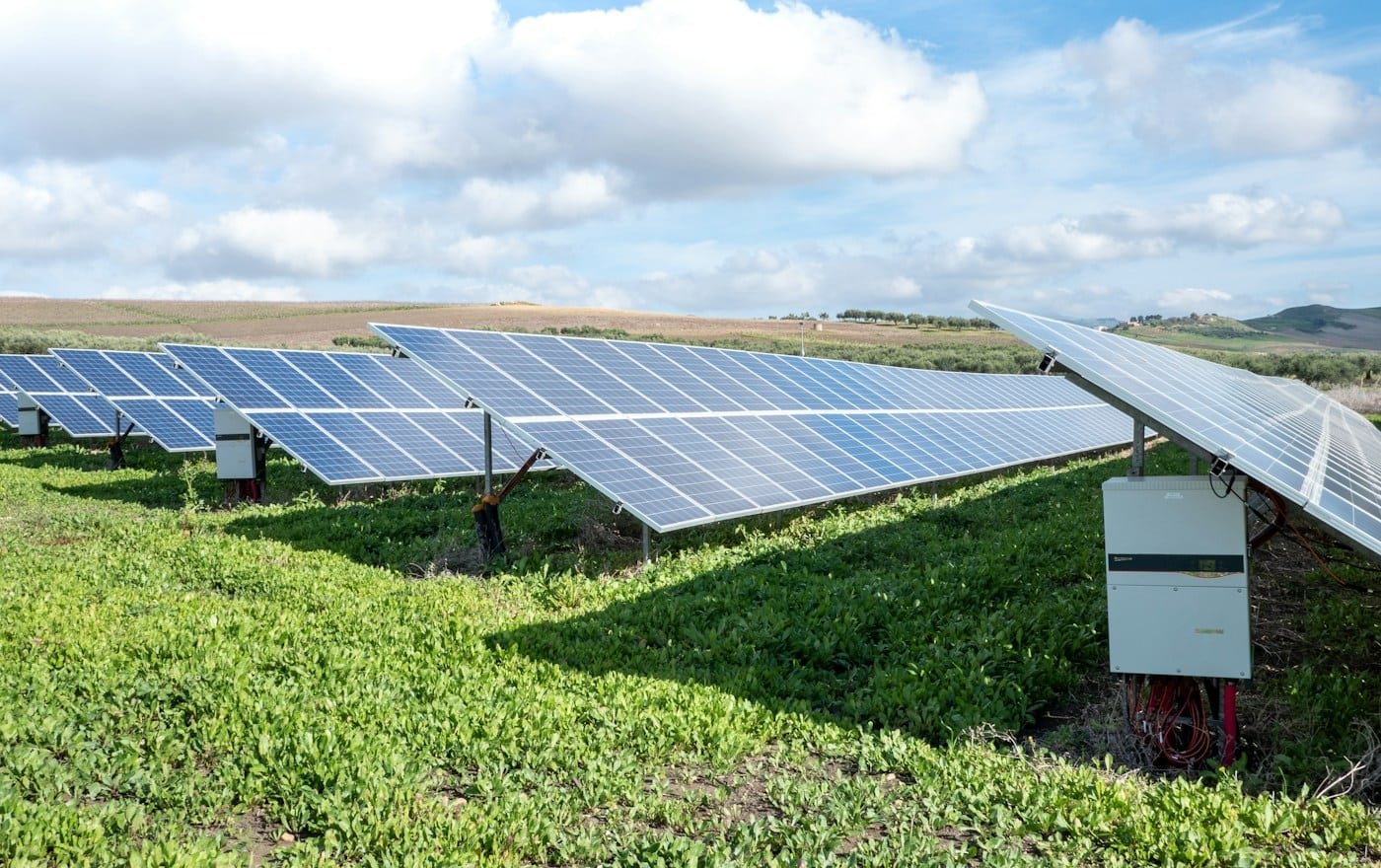
Cloud cover, curtailment, shading and maintenance can all change production. Record those conditions before comparing periods. Green Energy OS can help organize metered electricity and source assignments; equipment-specific solar performance analysis needs the appropriate supporting datasets and integration scope.
Plan your next step
Discuss metering, energy monitoring and carbon-reporting data requirements with Green Energy OS and Zhejiang Mingkai Technology Pvt. Ltd.
Contact us